LL-37 (CAS 154947-66-7) – Research Grade Peptide
Research Applications
LL-37 is primarily studied for its role as an antimicrobial peptide and its potential therapeutic applications in various clinical and preclinical research settings. Its unique properties make it a candidate for exploring therapeutic areas such as wound healing, inflammatory diseases, and potentially even metabolic health. Researchers have also investigated LL-37’s implications in conditions like lipodystrophy and body composition regulation. Currently, LL-37 does not have any FDA-approved uses or trade names, but its relevance in research continues to grow.
History & Development
LL-37 was originally developed in the early 1990s at the University of California, San Diego, as part of a broader investigation into the role of antimicrobial peptides in the human immune system. This peptide is derived from the cathelicidin antimicrobial peptide family, specifically from the human gene CAMP. Though it has not received FDA approval for any specific therapeutic indication, its development has paved the way for further exploration into its potential clinical applications. Key design features of LL-37 include its modified amino acid sequence, which contributes to its stability and activity against a wide range of pathogens.
Mechanism of Action
LL-37 exerts its effects primarily through its interaction with cell membranes. It binds to negatively charged phospholipids, which facilitates the disruption of bacterial membranes, leading to cell lysis and death. Additionally, LL-37 is known to modulate immune responses by interacting with various receptors, including the formyl peptide receptor 2 (FPR2) and the chemokine receptor CCR6. This interaction triggers downstream signaling pathways that can enhance the recruitment of immune cells to sites of infection or injury, thereby promoting healing and modulating inflammation.
Clinical Data
Published studies suggest that LL-37 has significant implications in clinical settings. For instance, a study by Falutz et al. demonstrated the peptide's potential in enhancing wound healing and reducing the incidence of infections in patients with chronic wounds. Another notable study indicated its role in modulating the immune response in individuals with autoimmune conditions. These studies highlight LL-37’s potential therapeutic benefits, although specific phase data may vary, and further research is necessary to solidify its clinical applications.
How It Compares
When comparing LL-37 to other peptides, it is essential to consider its distinct mechanisms of action. For instance, LL-37 is often evaluated alongside other antimicrobial peptides like Defensins and Magainins, which also target microbial pathogens but may operate through different pathways. In the context of metabolic health, LL-37 can be compared to growth hormone peptides such as Ipamorelin and CJC-1295, which primarily stimulate growth hormone release but do not exhibit the same antimicrobial properties. The half-life of LL-37 is relatively short, requiring careful consideration of dosing regimens in research settings.
Solubility & Storage
For reconstitution, LL-37 is typically dissolved in sterile water or bacteriostatic water. The recommended storage temperature for lyophilized LL-37 is between -20°C to -80°C for long-term stability. Once reconstituted, LL-37 should be stored at 2°C to 8°C and is generally stable for up to one week when kept under these conditions. Proper storage is crucial to maintain the peptide's integrity and efficacy for research applications.
Future Research Directions
Researchers are exploring various future directions for LL-37, particularly in its role as a therapeutic agent in chronic inflammatory diseases and its potential applications in regenerative medicine. There is also emerging interest in investigating LL-37's off-label use in metabolic disorders, where its immune-modulating properties may provide additional benefits. As studies continue to unfold, LL-37 could become a vital component in developing new treatment strategies for a range of health conditions.
This peptide is available for wholesale & bulk synthesis. Get our rate sheet.
| CAS Number | 154947-66-7 |
|---|---|
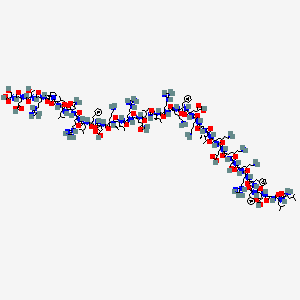
| Formula | C205H340N60O53 |
| Mol. Weight | 4493 g/mol |
| IUPAC Name | (4S)-5-[[(2S)-6-amino-1-[[(2S,3S)-1-[[2-[[(2S)-6-amino-1-[[(2S)-1-[[(2S)-1-[[... |
| Grade | HPLC ≥98% |
Synthesis & Storage
LL-37 is supplied as a lyophilized powder to ensure stability during transit.
For long-term storage of CAS 154947-66-7, we recommend maintaining at -20°C.
Researchers must reconstitute this peptide with bacteriostatic water or sterile solvent only when ready for use.
Quality Control: All batches undergo rigorous HPLC purity testing (≥98%) prior to dispatch from our USA fulfillment center.