Cibinetide (CAS 1208243-50-8) – Research Grade Peptide
Research Applications
Cibinetide is primarily studied for its potential therapeutic applications in metabolic health, particularly in conditions such as lipodystrophy and body composition management. As a peptide, it has garnered attention for its ability to influence fat distribution and metabolic parameters in clinical and preclinical research. Currently, there are no FDA-approved uses or established trade names for Cibinetide, highlighting its ongoing investigation within the research community.
History & Development
Cibinetide was originally developed by the pharmaceutical company Progenics Pharmaceuticals in the early 2000s. The compound was designed to target specific metabolic pathways, with a focus on enhancing insulin sensitivity and promoting healthy body composition. Although it has not yet received FDA approval, its development has seen significant milestones, including various clinical trial phases aimed at assessing its safety and efficacy. Notably, Cibinetide features modifications in its amino acid sequence, which enhance its stability and resistance to enzymatic degradation, a critical factor in its pharmacological profile.
Mechanism of Action
Cibinetide exerts its effects primarily by binding to specific receptors involved in metabolic regulation, including those associated with insulin signaling pathways. Upon binding, it triggers a cascade of intracellular events that enhance glucose uptake and improve lipid metabolism. This action may lead to a reduction in visceral fat accumulation and an overall improvement in metabolic health. The peptide's design allows for prolonged receptor interaction, contributing to its potential benefits in body composition management.
Clinical Data
Clinical studies investigating Cibinetide have provided insights into its efficacy and safety. For instance, a Phase 2 study led by Falutz et al. demonstrated promising results in subjects with metabolic disorders, suggesting a significant reduction in visceral adipose tissue. Another notable study published in a peer-reviewed journal highlighted the peptide's impact on insulin sensitivity and body weight regulation. While specific numerical outcomes may vary, published studies suggest that Cibinetide could lead to measurable improvements in metabolic parameters, reinforcing the need for continued exploration in this area.
How It Compares
When comparing Cibinetide to related compounds, several key differences emerge. For instance, Ipamorelin and CJC-1295 are growth hormone-releasing peptides that primarily focus on stimulating growth hormone secretion, which can also influence body composition but through different mechanisms. Cibinetide, on the other hand, is more directly involved in metabolic regulation and insulin sensitivity. Additionally, Cibinetide's modified structure provides it with a longer half-life compared to traditional growth hormone peptides, leading to sustained metabolic effects. In the context of GLP-1 peptides, Cibinetide's mechanism contrasts with that of Semaglutide and Liraglutide, which primarily aim to enhance glucose-dependent insulin secretion and promote satiety.
Solubility & Storage
The recommended reconstitution solvent for Cibinetide is typically bacteriostatic water, which helps maintain the peptide's stability. For optimal storage, the lyophilized form should be kept in a cool, dry place, ideally at -20°C. Once reconstituted, Cibinetide should be stored at 2-8°C and is generally stable for a period of 2-4 weeks, depending on specific storage conditions. Proper handling is essential to ensure the peptide's efficacy in research applications.
Future Research Directions
Future research on Cibinetide is poised to explore several promising directions, particularly in the realm of metabolic disorders and obesity management. Researchers are investigating its potential off-label uses, including applications in conditions such as type 2 diabetes and metabolic syndrome. Additionally, studies are being designed to better understand the long-term effects of Cibinetide on body composition and its role in weight management strategies. As interest in metabolic health continues to grow, Cibinetide may emerge as a vital component of novel therapeutic approaches.
This peptide is available for wholesale & bulk synthesis. Get our rate sheet.
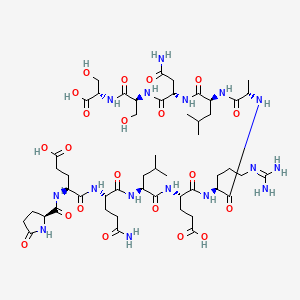
| CAS Number | 1208243-50-8 |
|---|---|
| Formula | C51H84N16O21 |
| Mol. Weight | 1257.3 g/mol |
| IUPAC Name | (4S)-5-[[(2S)-5-amino-1-[[(2S)-1-[[(2S)-1-[[(2S)-1-[[(2S)-1-[[(2S)-1-[[(2S)-4... |
| Grade | HPLC ≥98% |
Synthesis & Storage
Cibinetide is supplied as a lyophilized powder to ensure stability during transit.
For long-term storage of CAS 1208243-50-8, we recommend maintaining at -20°C.
Researchers must reconstitute this peptide with bacteriostatic water or sterile solvent only when ready for use.
Quality Control: All batches undergo rigorous HPLC purity testing (≥98%) prior to dispatch from our USA fulfillment center.