Octreotide (CAS 83150-76-9) – Research Grade Peptide
Research Applications
Octreotide is primarily studied for its efficacy in treating various conditions related to hormone regulation, particularly in endocrine disorders. Its primary therapeutic applications include the management of acromegaly, a condition characterized by excess growth hormone, and the treatment of neuroendocrine tumors. Additionally, Octreotide has shown promise in managing symptoms associated with carcinoid syndrome, such as flushing and diarrhea, as well as in the treatment of certain gastrointestinal disorders.
In terms of FDA-approved uses, Octreotide is marketed under the trade name Sandostatin. It is particularly noted for its role in reducing hormone secretion and has been utilized in conditions like esophageal variceal bleeding and certain types of pituitary tumors.
History & Development
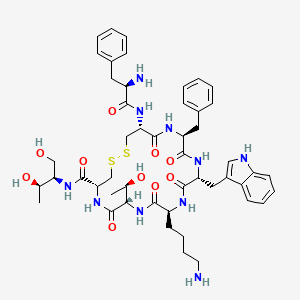
Octreotide was developed by the pharmaceutical company Novartis in the 1980s as a synthetic analog of somatostatin, a naturally occurring peptide that inhibits growth hormone release. The compound received FDA approval in 1998 for the treatment of acromegaly. The approval marked a significant milestone in the management of this condition, providing clinicians with a targeted therapeutic option. Notably, Octreotide's design incorporates modified amino acid sequences that enhance its stability and resistance to enzymatic degradation, allowing for a longer half-life compared to somatostatin.
Mechanism of Action
Octreotide exerts its effects primarily by binding to somatostatin receptors (SSTRs), particularly SSTR2 and SSTR5, which are widely distributed in various tissues, including the pituitary gland and gastrointestinal tract. Upon binding to these receptors, Octreotide inhibits the secretion of several hormones, including growth hormone, insulin, and glucagon. This action leads to a decrease in the proliferation of hormone-secreting tumors and alleviates symptoms associated with hormone excess. The downstream effects of Octreotide's action include reduced gastrointestinal motility and inhibition of pancreatic secretion, contributing to its therapeutic efficacy in various conditions.
Clinical Data
Published studies suggest that Octreotide can significantly reduce hormone levels in patients with acromegaly. For instance, a Phase 3 study led by Falutz et al. demonstrated that Octreotide treatment resulted in a marked reduction in growth hormone levels in a significant percentage of subjects. Another study indicated improvements in symptom management for patients experiencing carcinoid syndrome, showcasing Octreotide's role in improving quality of life. These studies underline Octreotide's clinical effectiveness and its importance in the therapeutic landscape for hormone-related disorders.
How It Compares
When compared to other peptides used in similar therapeutic contexts, Octreotide exhibits distinct mechanisms and applications. For instance, in the realm of growth hormone peptides, it can be compared to Sermorelin and GHRP-6. While Sermorelin stimulates endogenous growth hormone release, Octreotide inhibits its secretion, positioning it as a counter-regulatory agent. In terms of GLP-1 receptor agonists, Octreotide's function differs significantly from compounds like Semaglutide and Liraglutide, which primarily enhance insulin secretion and improve glucose metabolism. Octreotide's longer half-life also differentiates it from shorter-acting peptides, providing a sustained therapeutic effect.
Solubility & Storage
The recommended reconstitution solvent for Octreotide is sterile water or bacteriostatic water, depending on the intended use and formulation. For optimal storage, lyophilized Octreotide should be kept in a cool, dry place, typically at temperatures between 2-8°C. Once reconstituted, the solution should be stored in the refrigerator and used within a specific timeframe, usually within 28 days, to ensure stability and effectiveness.
Future Research Directions
Future research involving Octreotide is exploring its potential applications beyond its current FDA-approved indications. Researchers are investigating its efficacy in treating obesity and metabolic disorders, as preliminary data suggest that Octreotide may play a role in appetite regulation. Additionally, emerging off-label interests include its use in managing chronic pain and other gastrointestinal disorders, further expanding its therapeutic potential. As clinical trials continue, Octreotide's versatility may lead to new and innovative applications in the medical field.
This peptide is available for wholesale & bulk synthesis. Get our rate sheet.
| CAS Number | 83150-76-9 |
|---|---|
| Formula | C49H66N10O10S2 |
| Mol. Weight | 1019.2 g/mol |
| IUPAC Name | (4R,7S,10S,13R,16S,19R)-10-(4-aminobutyl)-19-[[(2R)-2-amino-3-phenylpropanoyl... |
| Grade | HPLC ≥98% |
Synthesis & Storage
Octreotide is supplied as a lyophilized powder to ensure stability during transit.
For long-term storage of CAS 83150-76-9, we recommend maintaining at -20°C.
Researchers must reconstitute this peptide with bacteriostatic water or sterile solvent only when ready for use.
Quality Control: All batches undergo rigorous HPLC purity testing (≥98%) prior to dispatch from our USA fulfillment center.